


The Ultimate Guide to Digital Detox: How Analog Living Can Improve Your Wellness in 2026
By TSF Team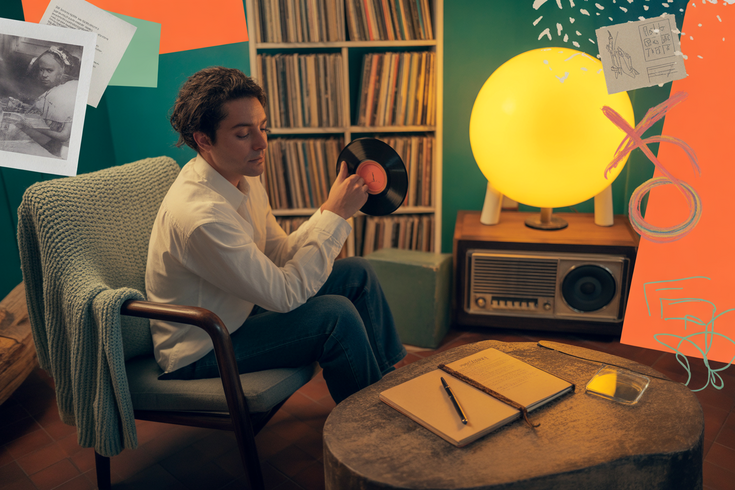
The real problem isn't technology. It's your addiction to it. You already know your brain's drowning in screens. You're just afraid to turn them off. Everyone thinks more tech means more connections. Everyone's wrong.
Three fast steps to lighten your digital load? 1. Set phone-free zones in your home. 2. Schedule daily unplugged hours, and stick to them. 3. Swap an hour of TV for a walk outside. You've got this.
Digital detox isn't just a trend. It's a survival skill in 2026. Our online lives are noisy, chaotic, and more connected than ever—yet, here you are, feeling isolated. Semantic burnout's your daily companion. You don't need apps for mental peace; you need analog living.
How to Start Your Digital Detox
Kick off your detox by setting clear boundaries to reclaim mental clarity. Stop pretending that dimming your phone counts as detox. Digital detox is more than reducing screen time — it's about replacing it with life. Implementing small changes can lead to big impacts:
- Schedule tech-free mealtimes for face-to-face connections.
- Dedicate one day a week to unplug completely and recharge.
- Utilize a physical planner instead of a digital calendar for daily tasks.
These changes might feel radical, but staying glued to your screens? That's already cost you more than you realize.
Why You're Failing at Digital Detox
You crave change, but you sabotage yourself. You try to detox with one hand still on your device. Here's the stone-cold truth: Mindless scrolling is a vicious cycle of distraction. Your brain's addicted to that dopamine release.
- Over 70% of adults sleep next to their phones. Your excuse? "It's my alarm clock."
- People check their phones about 58 times a day. Each peek robs you of genuine human interaction.
You blame time and workload, but deep down, it's fear of missing out. Stop hiding. Break the habit loop, or it breaks you.
What is the Digital Detox Movement?
The digital detox movement isn't a fad—it's a lifeline. A growing belief in the human need for offline time. It means slicing through the virtual noise to find real-life meaning.
- 87% of people are aware of digital detox but only 30% act on it.
- The movement's built on freedom, privacy, and recapturing lost time.
So, recognize it's not about abandoning tech; it’s about balance. Otherwise, you're a slave to your own devices.
The Real Reason You're Drowning in Screens
You're caught up because society says busy equals successful. But busyness is killing your well-being. Analog activities like reading or gardening can buffer your sanity against endless pings and notifications.
- Reading books improves focus and reduces stress by 68%.
- Nature walks lower cortisol levels and improve mood.
Detaching from digital for even 30 minutes shifts your mindset. When analog wins over digital, your health scores big.
Analog Living: What Works vs What Doesn't
Analog living works when it refreshes your mind genuinely. It doesn't mean buying a vinyl player for show. It's not Instagram-worthy camping; it's awakening to life beyond screens.
- Start a journal to plot thoughts, not just bullet lists.
- Take walking meetings—yes, step out from behind the desk.
- Explore hobbies that need zero screens, like painting or cycling.
Experiment and find what aligns with your soul. Cut the crap about “not having time.” You have time for what you prioritize.
Stop Doing What Everyone Else Is Doing
Burnout comes from following the herd mindlessly. More emails, more Zoom calls—all these lead to less of you. So why stick to them?
You’ve two choices: stay stuck in this digital swamp or push through your comfort zone to make changes. Detach to connect better. The clock's ticking. What's it gonna be?
Embrace analog living and reclaim your world. Momentum doesn’t come from overthinking. It comes from moving.